




VTAVTA
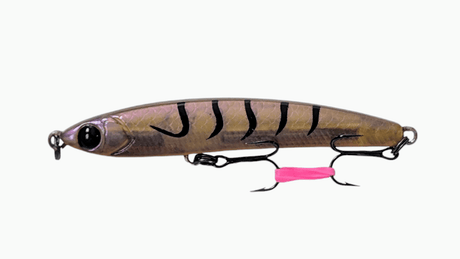
VTAVTA Multi Jointed Swimbait - Segmented 7pc Lure 100mm 17.5g
$9.95Unit price /Unavailable




Top picks for you
-


 Up to $42.49 off
Tidal Trekker
Tidal Trekker 35L Insulated Cooler Backpack
20% OFF$169.95$212.44Savings $42.49Unit price /Unavailable -

-
 $87.55 off
-

-
 $42.05 off
Fishing Superstore
32% OFF$89.95$132.00Savings $42.05Unit price /Unavailable -

GENESIS
GENESIS Stainless Steel Propeller - Suzuki/Mercury/Tohatsu 35/60hp Outboard Motor P13
$504.00Unit price /Unavailable -
GENESIS
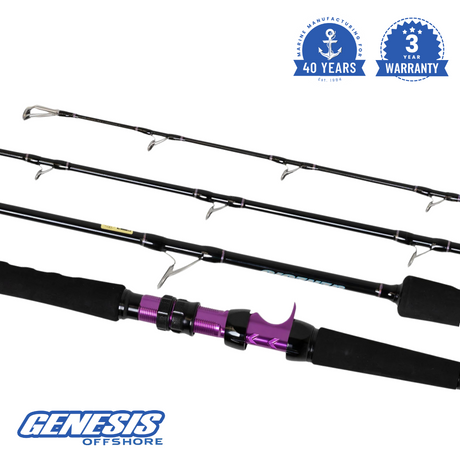
GENESIS 25kg Class I Straight Guide - Carbon Kevlar Jigging Rod
$325.00Unit price /Unavailable -


Australian bass are one of the few sportfish where understanding the life cycle changes how you fish for them season to season. Bass are catadromous: adults live their whole working life in freshwater impoundments and rivers, then migrate downstream into the estuary to spawn during flood events, roughly May to August. That means the dams and rivers you fish through the warmer months are essentially empty of spawning activity; the fish you're chasing spring through autumn are feeding fish, not staging fish, and they behave like it.
Read More
Structure and Light: Where Bass Actually Sit
Bass are structure-obsessed. Sunken and standing timber, weed edges and beds, rocky points, windblown banks, flooded or overhanging vegetation, dam walls and drop-offs all hold fish, and where a bass sits on that structure depends entirely on light. By day, bass sit deep on ledges and points, often tight against timber in water most anglers write off as too deep to bother with. At low light, dawn, dusk and after dark, they push shallow onto the same structure to feed, and that's when they'll eat almost anything that moves: baitfish, cicadas, beetles, whatever's falling off the bank.
Matching Lure Weight and Leader to the Bite
Match your lure weight and retrieve to that light pattern, not to habit. Jigheads from 1/8oz up to 1/2oz (3.5-14g), hook sizes #1 to 3/0, are the standard soft plastic range across most dams and rivers; drop down to finesse jigs of 1/24oz to 1/6oz (1.2-4.7g) in small creeks and skinny water where a bigger head spooks fish or drags the plastic through timber too fast. Spinnerbaits in 1/4oz to 3/8oz cover the reaction-bite window at low light. Leader needs to survive timber, not just the fish's mouth: 8-10lb fluorocarbon is the minimum on jigheads and plastics, stepping up to 15lb for spinnerbaits and hardbodies fished through heavier cover, and 15-20lb for night surface fishing where you're horsing fish away from structure in the dark. A 7ft, 2-4kg "bream-style" spin outfit is the standard bass rod; 10lb braid to 10lb fluorocarbon leader on a 2500 reel is a genuinely common real-world rig for this style of fishing.
Retrieve Style by Light Level
Retrieve style follows the same day/night split. Slow-roll spinnerbaits so the blades are just ticking over, not spinning fast. With soft plastics, use long, slow hops off the bottom rather than a fast retrieve. Bass in Australian dams are not usually chasing hard in open water. Surface lures are where patience pays off most: twitch, let it sit, move it roughly a metre, then rest it again. Most surface strikes come on the pause, not on the retrieve, and pulling the lure away too early is the single easiest way to miss a fish that's already committed.
The Most Common Mistake
The mistake we see constantly is anglers fishing reaction lures too fast and staying up in the water column through the middle of the day, when the sun is high and bass have already dropped deep onto structure. A spinnerbait burned across the surface at midday might get a follow, but it won't out-fish a bottom-hugging plastic worked slowly through the same water once the light's hard. Slow down and get down as the sun climbs. That single adjustment accounts for more bass than any lure choice does.
Where to Fish This Pattern
Southeast Queensland's dam network is bass fishing heartland: Somerset Dam, Hinze Dam, Wyaralong Dam, Lake Borumba and Lake Cania all fish this pattern hard, particularly around timber and points. River systems add another dimension: the Noosa River, Clarence River, Lane Cove River and Bellinger River all hold healthy bass populations, with the added complication and reward of current and tide interacting with the structure they sit on.
Our bass lure range spans locally designed and imported soft plastics, spinnerbaits and hardbodies. We don't claim the whole range is Australian-made, but we do build the selection specifically around the depth and structure patterns bass fishing here demands.
Frequently Asked Questions
Spring through autumn, while bass are feeding through the dams and rivers rather than staging to spawn. They migrate downstream to the estuary to spawn during flood events, roughly May to August, so the warmer months are when they're actively feeding on structure rather than moving through on a spawning run.
Standard jigheads run 1/8oz to 1/2oz (3.5-14g) on hook sizes #1 to 3/0 for most dams and rivers. Drop down to finesse jigs of 1/24oz to 1/6oz (1.2-4.7g) in small creeks and skinny water, where a bigger head spooks fish or drags the plastic through timber too fast.
8-10lb fluorocarbon is the minimum on jigheads and soft plastics. Step up to 15lb for spinnerbaits and hardbodies fished through heavier cover, and 15-20lb for night surface fishing where you're pulling fish away from structure in the dark. Leader needs to survive timber as much as the fish's mouth.
Dawn, dusk and after dark, when bass push shallow onto structure to feed. Patience matters more than lure choice here: twitch, let it sit, move it roughly a metre, then rest it again. Most surface strikes come on the pause, not the retrieve.
A 7ft, 2-4kg "bream-style" spin outfit is the standard bass rod. 10lb braid to 10lb fluorocarbon leader on a 2500 reel is a genuinely common real-world rig for this style of fishing.
Southeast Queensland's dam network is bass fishing heartland, Somerset Dam, Hinze Dam, Wyaralong Dam, Lake Borumba and Lake Cania all fish well around timber and points. River systems like the Noosa, Clarence, Lane Cove and Bellinger also hold healthy populations, with current and tide adding another layer to how bass sit on structure.
Not entirely. Our range spans locally designed and imported soft plastics, spinnerbaits and hardbodies, built specifically around the depth and structure patterns bass fishing here demands, rather than sourced from any one country.

Someone bought fishing reels
2 min ago