




Austackle
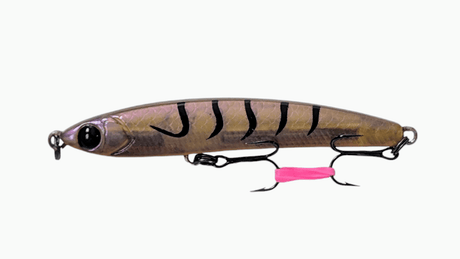
Ranger 40S Suspending Crankbait 40mm 3.3g Magnetic Long Cast
$13.95Unit price /Unavailable


-




Top picks for you
-


 Up to $42.49 off
Tidal Trekker
Tidal Trekker 35L Insulated Cooler Backpack
20% OFF$169.95$212.44Savings $42.49Unit price /Unavailable -

-
 $87.55 off
-

-
 $42.05 off
Fishing Superstore
32% OFF$89.95$132.00Savings $42.05Unit price /Unavailable -

GENESIS
GENESIS Stainless Steel Propeller - Suzuki/Mercury/Tohatsu 35/60hp Outboard Motor P13
$504.00Unit price /Unavailable -
GENESIS
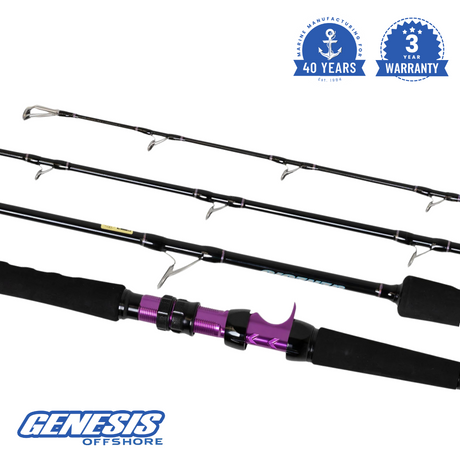
GENESIS 25kg Class I Straight Guide - Carbon Kevlar Jigging Rod
$325.00Unit price /Unavailable -


Bream are a favourite lure target in Australian estuaries. They are wary, they live around structure, and when they decide to eat, a well presented lure will take them. This collection brings together the lures we stock that suit bream: small soft plastics and crab, prawn and yabby imitations, compact crankbaits and suspending jerkbaits, vibes, micro jigs, and surface lures, along with a 40 lure Bream Pack for anglers who want a ready-made starting box. Most of them are small, because bream have small mouths, feed on small prey, and often ignore a lure that is bigger than what they are eating.
Read More
Know the Fish
NSW DPIRD describes yellowfin bream as found along the NSW coast and in Queensland and Victoria, living in estuaries up to the brackish limit and around inshore rocky reefs near ocean beaches and headlands. They are opportunistic feeders that eat small crabs, prawns, molluscs, pipis and small fish, and they reach about 4kg and 60cm. Black bream look similar and are more common in Victoria and southern NSW, reaching as far north as the Myall Lakes, while yellowfin have a deeper body, a higher snout and yellow ventral fins. That diet decides the lure: crab, prawn and yabby imitations, small baitfish profiles and anything that sinks slowly near the bottom are all on the menu. Size limits and bag limits differ between states and can change, so check the current rules from your state fisheries department before you keep a fish.
Soft Plastics
Soft plastics are where most bream anglers start. Our range includes Austackle Tuffies in the whiptail grub, ringtail minnow, paddleworm and Fishy Thing styles, curl tail grubs in 45 and 65mm, a 75mm bearded dual curl tail grub at 2.9 grams, 40mm paddle tail worms and paddle tail minnows. The crustacean imitations are the ones to look at for bream: the Power Prawn Baby at 75mm and 8.8 grams, the Flick Shrimp at 100mm and 12 grams, the Creepy Craw yabby at 75mm, and the Cruncha Crab in sizes from 45 to 70mm, which is built specifically for bream. Rig them on a light jig head and work them with small hops along the bottom, letting them fall on a tight line between lifts. Our soft plastics collection has the full range of sizes and colours.
The jig head sets the way the plastic falls, and bream often take it on the drop. Use the lightest head that still reaches the bottom, and let the plastic settle before you lift again. Our jig heads collection includes light luminous heads and the Mustad Musida range, and a lighter head suits shallow flats and snags while a heavier one suits deep channels and current.
Crankbaits and Suspending Jerkbaits
When fish are around structure such as oyster racks, pontoons, bridge pylons and rock walls, a small hardbody can cover water and draw reaction strikes. Our range includes the Baby Bug at 30mm and 2 grams, the Sakana XD34F small crankbait and the Ranger 40S suspending crankbait at 40mm and 3.3 grams, along with the Austackle Scamper in 50S and 70S sizes, which are suspending jerkbaits. A suspending lure can be paused right in front of a fish, and that pause is often where the strike comes, so wind a few turns, stop for a few seconds and repeat. Work them close to cover and expect to lose the odd lure to it. Our crankbait lures collection has the wider range of diving depths.
Vibes, Micro Jigs and Blades
When bream hold deeper in a channel or on the edge of a drop-off, a lure that gets down fast does the work. The Sugar Glider Vibe 45 is a compact vibe, the Austackle JZ and JX micro jigs and the Shinken micro jigs at 7 and 9 grams are small metals, and the Ebining Mini Spin at 30mm adds a spinning blade. Cast, let the lure sink, then lift the rod tip and let it fall on a tight line, because most strikes come as the lure drops. Our vibe lures collection covers the style in more detail.
Surface and Subsurface Lures
Bream will rise to a surface lure in the right conditions, especially in the shallows around dawn, dusk and overcast days. We stock the Droptail at 80mm and 11 grams, the Spritz, the Minnie Popz and the Banana 90s at 90mm and 7 grams. The Banana 90s has an erratic action that covers the surface and just under it, and it is worked with the rod tip down using short, sharp twitches. The Shimmer Stik at 60mm and 5 grams is a sinking stickbait with a flutter and body roll on the fall, which makes it a good lure for pitching at snags, undercut banks and boat hulls. Our top water lures collection has more poppers and stickbaits.
Line and Leader
Bream are leader-shy and live around oysters and timber that wear line, so the leader does two jobs. Braid on a light spin outfit gives you feel and casting distance, and a fluorocarbon leader is the usual choice because it is hard to see and stands up to abrasion. Keep the leader long enough to take the rubbing, check it for nicks after every few fish and retie when it feels rough. Our fluorocarbon leaders range starts at light strengths, and a light leader suits clear water and small lures.
Where to Fish
Bream live in estuaries and around inshore reefs, and in an estuary they hold around pontoons, jetties, bridges, mangrove and rock edges and shallow flats. Tide movement matters in an estuary, so fish the run of the tide and ask locally what is working, and place the lure tight against a pylon or an overhanging bank. Fish quietly and keep your shadow off the water, because bream in shallow water spook easily, and try the same snag from a couple of angles before you move on.
The Bream Pack
The 40 lure Bream Pack is a mixed set of lures chosen for bream, including soft plastics, and it is a sensible way to build a box without choosing each lure. It suits an angler who is new to bream or who wants to try a few styles before settling on favourites. Keep the lures you catch fish on and replace the ones that did not earn their place.
The Most Common Mistake
The mistake we see most often is fishing lures that are too big and a leader that is too heavy. Bream are wary, and a small lure on a light fluorocarbon leader is a safer starting point than a larger one on heavy line. Scale down in size and leader strength, and slow the retrieve. The second common mistake is moving on too fast. Bream often sit tight to one pylon or one snag, and several casts to the same piece of cover, with long pauses, often succeed where one fast cast fails.
Frequently Asked Questions
There is no single best lure, but small soft plastics on a light jig head, small suspending hardbodies and crab or prawn imitations are all dependable. Match the lure to the cover and the clarity of the water.
Small ones. Lures from about 30 to 75mm suit most estuary fishing, and the soft plastics and hardbodies in this collection sit in that range.
NSW DPIRD says yellowfin bream eat small crabs, prawns, molluscs, pipis and small fish, which is why crab, prawn and small baitfish imitations are popular.
According to NSW DPIRD, yellowfin bream live in estuaries up to the brackish limit and around inshore rocky reefs near beaches and headlands, along the NSW, Queensland and Victorian coasts.
DPIRD gives a maximum of about 4kg and 60cm for yellowfin bream, and most fish caught are much smaller.
Yes. A light fluorocarbon leader is the usual choice because it is hard to see and resists abrasion on oysters and timber.
Yes, particularly in shallow water at dawn, dusk and on overcast days. Small poppers and stickbaits worked slowly are the usual choices.
They vary by state and can change, so check the current rules from your state fisheries department before you keep a fish.

Someone bought fishing reels
2 min ago