




Austackle
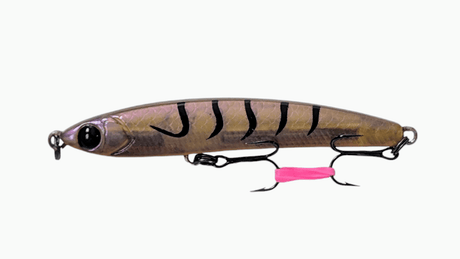
Ranger 40S Suspending Crankbait 40mm 3.3g Magnetic Long Cast
$13.95Unit price /Unavailable


-

 $39.65 off
Austackle
Austackle GIZMO Spinnerbait Pack – 28g Big Fish Edition (8-Piece Pack)
27% OFF$104.95$144.60Savings $39.65Unit price /Unavailable $25.65 off
Austackle
Austackle GIZMO Spinnerbait Pack – 14g (8-Piece Pack)
21% OFF$94.95$120.60Savings $25.65Unit price /Unavailable $21.65 off
Austackle
Austackle GIZMO Spinnerbait Pack – 7g (8-Piece Pack)
22% OFF$74.95$96.60Savings $21.65Unit price /Unavailable $23.65 off
Austackle
Austackle GIZMO Spinnerbait Pack – 10g (8-Piece Pack)
22% OFF$84.95$108.60Savings $23.65Unit price /Unavailable




Top picks for you
-


 Up to $42.49 off
Tidal Trekker
Tidal Trekker 35L Insulated Cooler Backpack
20% OFF$169.95$212.44Savings $42.49Unit price /Unavailable -

-
 $87.55 off
-

-
 $42.05 off
Fishing Superstore
32% OFF$89.95$132.00Savings $42.05Unit price /Unavailable -

GENESIS
GENESIS Stainless Steel Propeller - Suzuki/Mercury/Tohatsu 35/60hp Outboard Motor P13
$504.00Unit price /Unavailable -
GENESIS
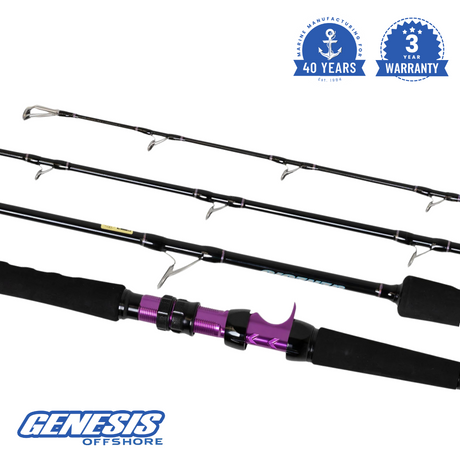
GENESIS 25kg Class I Straight Guide - Carbon Kevlar Jigging Rod
$325.00Unit price /Unavailable -


Carp are not the fish most anglers dream about, but they are one of the most fun and challenging lure targets in Australian freshwater. They are widespread, they grow big, they pull hard on light gear, and in shallow, clear water you can often see the fish before you cast. They are also wary, which makes them a great test of stealth and presentation. This collection covers the small soft plastics, micro jigs, compact hardbodies and vibes that suit carp fishing on lures, built around a simple idea: small, slow and quiet beats big, fast and flashy.
Read More
Understanding Carp
European carp are a bottom-feeding fish that forage by rooting through soft sediment for small invertebrates, seeds and plant matter. That feeding habit explains why the best lures for carp are small, natural-looking and fished slowly near the bottom. They are also widely regarded as a pest in Australian waterways, because their feeding can stir up mud and damage aquatic plants, which affects water quality and the habitat that native fish rely on. Many anglers find that targeting carp on lures is both a good challenge and a way to give something back to local waterways.
Choosing Your Lure
Think small. Carp respond best to compact lures that fall slowly and look like the worms, larvae, shrimp and small crustaceans they naturally eat. Our soft plastic lures include small worm-style, curl tail and grub profiles in the 40 to 75mm range that suit this approach well. Rig them on a light jig head, keeping the weight as light as the depth and conditions allow, since a slowly sinking lure tends to look more natural than one that plummets to the bottom.
Micro jigs, small vibes and compact crankbaits round out a good carp kit. A small vibe or micro jig can be hopped slowly across the bottom, while a tiny suspending or shallow-diving crankbait suits fish cruising in the shallows. Colour matters less than size and presentation, but natural, translucent tones tend to work well in clear water, with brighter patterns worth a try when the water is stained.
Sight Fishing for Carp
Sight fishing is where lure fishing for carp really comes into its own. Irrigation channels, farm dams, lake edges and the quiet backwaters of rivers all hold carp that cruise or tail in shallow water, where you can spot them before you cast. Polarised sunglasses make a big difference, and a stealthy approach matters just as much. Move slowly, keep your shadow off the water and avoid casting directly over a fish. Cast beyond the fish and well to the side of its path, then bring the lure into its line of travel and let it settle. Many anglers find that fish feeding actively are far easier to tempt than fish that are slowly cruising or sunning.
Early morning, before wind and traffic ruffle the surface, is often the best time to spot fish. A flat, calm surface lets you see tailing and cruising fish from a good distance, and carp tend to be more relaxed and willing to feed.
Light Tackle for Shallow Water
Because carp are wary and fight hard, a balanced light outfit makes a big difference. A light fishing rod in the 1 to 4kg range, matched with a 1000 to 2500 size spinning reel, is a sensible starting point, spooled with light braid in the 4 to 6lb range. A leader of around 6 to 12lb helps with abrasion around weed and structure and keeps the connection to your lure low-profile. A longer leader of fluorocarbon or monofilament is useful, and our fluorocarbon leaders are worth a look. A smooth drag matters more than anything, since carp make strong, powerful runs and light line will not tolerate a tight drag.
Working the Lure
The most productive technique is often a simple “drag and drop”. Cast past the fish, then draw the lure back so it falls close to the fish’s mouth, ideally in its path of travel. Let it sink slowly, then give it a short hop or two. If the fish ignores it, reel in and recast rather than working the lure repeatedly in front of a spooked fish. Watch the fish and the line closely, because carp often take a lure with a subtle movement, such as a slight lift of the head or a twitch in the line. A gentle lift of the rod is usually enough to set the hook.
Rules and Responsible Fishing
Carp are treated differently depending on where you are, so it pays to know the rule for the water you are fishing. In New South Wales, it is not currently an offence to immediately return a captured carp to the water it came from, although the NSW Department of Primary Industries encourages anglers to keep and use them where possible, and any carp you do kill must be killed humanely. Victoria is stricter: the Victorian Fisheries Authority lists no bag limit for carp, but they must not be returned to the water alive because of their noxious status, so the fish should be killed immediately. A dead carp may go back into the water if the carcass is cut so that it sinks, and it should not be left on the shore at the fishing spot. It is also an offence in Victoria to use live carp as bait.
In Queensland, carp are a restricted noxious fish under the Biosecurity Act 2014, and the Queensland Government’s advice is that if you catch carp, you should humanely kill them and not return them to the water, as releasing or keeping them is prohibited. In South Australia, European carp are declared noxious and must not be returned to the water if caught, and they should be humanely killed and disposed of away from the water. In Western Australia, the Department of Primary Industries and Regional Development asks anglers not to return pest fish such as carp to the water, and to humanely euthanise them and dispose of them in a bin. Other states and territories have their own rules, and all of these can change, so check your state fisheries rules before you fish. Wherever you fish, never move live carp between waterways, because moving live fish is one of the main ways pest species spread. Standard recreational fishing licence requirements and gear rules still apply.
The Most Common Mistake
The mistake anglers make most often when they first try lure fishing for carp is going in too heavy, both in tackle and in presentation. A big lure, heavy leader or fast retrieve will often scare carp in shallow water before the lure has had a chance to work. Downsize everything from the lure to the leader diameter, slow down and let the fish’s natural bottom-feeding habit do the work. A small lure settling quietly into a carp’s feeding path will usually outfish a fast, aggressive retrieve.
Frequently Asked Questions
Yes. Carp take small soft plastics, micro jigs, vibes and compact crankbaits, especially in shallow, clear water where you can sight fish. Small, natural-looking lures fished slowly work best.
A small soft plastic in the 40 to 75mm range on a light jig head is a great starting point, with micro jigs and small vibes as good alternatives.
A light spin outfit, such as a 1 to 4kg rod with a 1000 to 2500 size reel, suits most carp fishing and gives a good fight without being too heavy for the lures.
Light braid in the 4 to 6lb range with a leader of around 6 to 12lb is a good starting point. A smooth, well set drag matters as much as line choice.
Early morning is often best, when the water is calm and fish are easy to spot, though carp can be caught through the day and into the evening.
Carp are found in many rivers, lakes, farm dams, irrigation channels and backwaters across southern and eastern Australia. Calm, shallow water with clear visibility is ideal for sight fishing.
It depends on where you are. In Victoria, Queensland and South Australia carp must not be returned to the water alive, and Western Australia asks anglers not to return them. In NSW it is not currently an offence to return them, though keeping and using them is encouraged. Check your state’s current rules.
They are strongly recommended. Polarised lenses cut glare so you can see fish in the water, which makes sight fishing far more effective.

Someone bought fishing reels
2 min ago