


-


 $95.05 off


Afishlure
Soft Plastic Paddle Tail Worm 5pc Value Pack 70mm 2.9g 12pc-bag
$24.95Unit price /Unavailable




Top picks for you
-


 Up to $42.49 off
Tidal Trekker
Tidal Trekker 35L Insulated Cooler Backpack
20% OFF$169.95$212.44Savings $42.49Unit price /Unavailable -

-
 $87.55 off
Fishing Superstore
64% OFF$49.95$137.50Savings $87.55Unit price /Unavailable -

-
 $42.05 off
Fishing Superstore
32% OFF$89.95$132.00Savings $42.05Unit price /Unavailable -

GENESIS
GENESIS Stainless Steel Propeller - Suzuki/Mercury/Tohatsu 35/60hp Outboard Motor P13
$504.00Unit price /Unavailable -
GENESIS
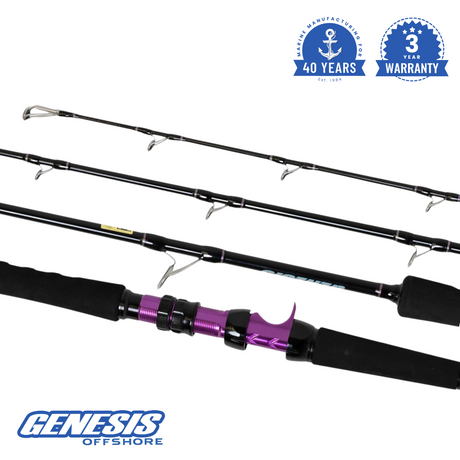
GENESIS 25kg Class I Straight Guide - Carbon Kevlar Jigging Rod
$325.00Unit price /Unavailable -


The single rule that matters most with soft plastics is this: jighead weight should match depth, current and wind, not the size of the fish you're targeting. A jighead that's too light in a running tide never reaches the bottom; one that's too heavy in shallow, calm water crashes down and spooks fish or drags past the strike zone before they can react. Get the weight matched to conditions and everything else (colour, plastic style, retrieve) becomes far less critical than most buying guides suggest.
Read More
Matching Jighead Weight to Conditions, Not Fish Size
As a working range, 1/4oz (7g) or lighter suits shallow, calm water, while 1/2oz (14g) or heavier is for deep water, running current, or wind pushing your line around. That scale shifts by species and system. Bream working canals and skinny water are often best served by 1/16oz heads on a size 1 hook, with 1/20oz as the lighter option for the calmest, clearest conditions and 1/12oz as the step up when you need a little more weight. Flathead on 3" plastics sit comfortably on a 1/4oz, 3/0 jighead as the standard setup across most estuary depths. The logic is the same whether you're fishing Lake Illawarra for flathead or a Somerset Dam point for bass: read the water in front of you, then pick the jighead that gets the plastic to the fish and keeps it there.
Built for Durability: The Austackle Tuffies Range
If toothy fish keep tearing through your plastics before you've had a proper session out of them, Austackle's Tuffies line, found in our Austackle saltwater and freshwater soft plastic ranges, is worth pairing with the weight guidance above. It's built from a buoyant, highly elastic material blend designed to stand up to hooking toothy critters better than a regular soft plastic, without giving up the supple, exaggerated tail action that gets bites in the first place. The range comes in four shapes so you can match profile and action to what you're targeting: the paddle-tailed Fishy Thing, the slimmer paddle-tail Paddleworm, the baitfish-profile Ringtail Minnow, and the grub-bodied Whiptail Grub. All four are fish-scented and sized to match Austackle's own DeepTrix jig heads, so running head and plastic from the same range keeps the fit straightforward.
Line Class by Species
Line class follows the same species-driven logic. For estuary staples such as bream, flathead and bass, a 2-4kg light spin outfit with braid mainline and a fluorocarbon leader covers almost everything, stepping up to 4-8kg once mulloway or other bigger estuary targets come into play. Leader strength should be scaled to what you're chasing and where: light for wary, clear-water species like bream and trout, heavier again around structure or when targeting fish with abrasive mouths like flathead.
Five Retrieves That Cover Most Sessions
Five retrieves cover the vast majority of soft plastic fishing in Australian estuaries, rivers and dams. Straight burn, a continuous, moderate wind, searches water quickly and works when fish are actively feeding. Burn-and-kill, a fast wind followed by a dead stop, triggers reaction strikes from fish sitting in current. Hopping along the bottom, a lift-and-fall worked on slack line, is the go-to when fish are holding tight to structure and feeding close to the bottom. Slow-roll, kept steady and just off the bottom, is the standard searching retrieve when you're not sure exactly where fish are sitting. Shake-and-pause, short rod twitches followed by a genuine pause, accounts for more finicky, pressured fish than any other technique on this list.
The Most Common Mistake
That pause is where the real advantage sits, and it's also where most anglers lose fish before they've even hooked up. The mistake we see constantly is retrieving too fast and not letting the jighead fully sink to the bottom before starting the retrieve, working the lure through open water on the way down instead of giving it the time it needs to reach the strike zone, then missing the pause where the majority of bites actually happen. A close second is sticking with one jighead weight for an entire session regardless of a changing tide, dropping wind or shifting current, instead of re-rigging as the conditions in front of you change. Both mistakes have the same root cause: fishing the plastic through water instead of fishing it to the bottom and letting it sit.
Where This Pattern Plays Out
These patterns play out across the same water most Australian soft plastic anglers already know. Lake Illawarra, the Hawkesbury River and the Swan River all reward exactly this approach for flathead and bream, while Gippsland Lakes adds another proven estuary system to the same playbook. On the freshwater side, Somerset Dam and Hinze Dam are where this technique gets applied to bass, with the same core principle: weight to the conditions, retrieve to the structure, and let the pause do the work.
Our soft plastic range is built around exactly this spread: lighter heads for calm, shallow water and finesse presentations, heavier options for depth, current and wind, so the plastic in your hand can actually reach the fish you're targeting.
Frequently Asked Questions
Match it to depth, current and wind rather than fish size. 1/4oz (7g) or lighter suits shallow, calm water, while 1/2oz (14g) or heavier is for deep water, running current, or wind pushing your line around.
Bream working canals and skinny water are often best served by 1/16oz heads on a size 1 hook, with 1/20oz for the calmest, clearest conditions and 1/12oz when you need a little more weight. Flathead on 3" plastics sit comfortably on a 1/4oz, 3/0 jighead as the standard setup across most estuary depths.
A 2-4kg light spin outfit with braid mainline and a fluorocarbon leader covers almost everything for bream, flathead and bass, stepping up to 4-8kg once mulloway or other bigger estuary targets come into play.
It depends on what the fish are doing. Straight burn searches water quickly when fish are feeding actively, burn-and-kill triggers reaction strikes, hopping along the bottom suits fish holding tight to structure, slow-roll is the standard searching retrieve, and shake-and-pause accounts for more finicky, pressured fish than any other technique.
Retrieving too fast and not letting the jighead fully sink to the bottom first, which means missing the pause where most bites actually happen. A close second is sticking with one jighead weight for an entire session instead of re-rigging as the tide, wind or current changes.
Austackle's Tuffies range is built for exactly that. It uses a buoyant, highly elastic material blend that stands up to toothy critters better than a regular soft plastic, while keeping the supple tail action that gets bites. It comes in four shapes, the paddle-tailed Fishy Thing, the Paddleworm, the Ringtail Minnow and the Whiptail Grub, all fish-scented and sized to match Austackle's own DeepTrix jig heads.
Lake Illawarra, the Hawkesbury River, the Swan River and Gippsland Lakes all reward this approach for flathead and bream. Somerset Dam and Hinze Dam are where the same core principle, weight to the conditions and retrieve to the structure, gets applied to bass.

Someone bought fishing reels
2 min ago