


Afishlure
Soft Plastic Paddle Tail Worm 5pc Value Pack 70mm 2.9g 12pc-bag
$24.95Unit price /Unavailable


-


 $39.65 off
Austackle
Austackle GIZMO Spinnerbait Pack – 28g Big Fish Edition (8-Piece Pack)
27% OFF$104.95$144.60Savings $39.65Unit price /Unavailable $25.65 off
Austackle
Austackle GIZMO Spinnerbait Pack – 14g (8-Piece Pack)
21% OFF$94.95$120.60Savings $25.65Unit price /Unavailable $21.65 off
Austackle
Austackle GIZMO Spinnerbait Pack – 7g (8-Piece Pack)
22% OFF$74.95$96.60Savings $21.65Unit price /Unavailable $23.65 off
Austackle
Austackle GIZMO Spinnerbait Pack – 10g (8-Piece Pack)
22% OFF$84.95$108.60Savings $23.65Unit price /Unavailable


Top picks for you
-


 Up to $42.49 off
Tidal Trekker
Tidal Trekker 35L Insulated Cooler Backpack
20% OFF$169.95$212.44Savings $42.49Unit price /Unavailable -

-
 $87.55 off
-

-
 $42.05 off
Fishing Superstore
32% OFF$89.95$132.00Savings $42.05Unit price /Unavailable -

GENESIS
GENESIS Stainless Steel Propeller - Suzuki/Mercury/Tohatsu 35/60hp Outboard Motor P13
$504.00Unit price /Unavailable -
GENESIS
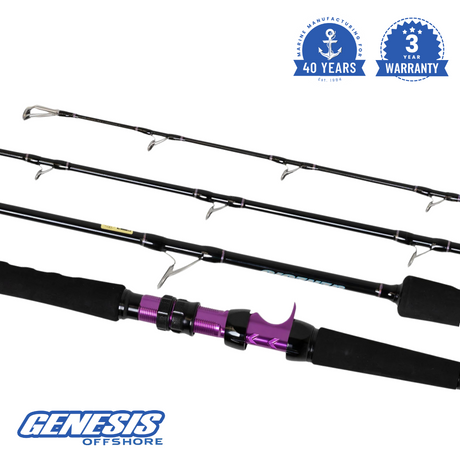
GENESIS 25kg Class I Straight Guide - Carbon Kevlar Jigging Rod
$325.00Unit price /Unavailable -


Flathead are one of the most rewarding lure targets in Australia, and one of the most misunderstood. They are ambush predators that spend much of their lives half-buried in sand and mud, watching the bottom for anything that looks like an easy feed. Understand that, and most decisions about which lure to buy and how to fish it start to make sense. This collection covers the soft plastics, vibes, hardbodies, jerkbaits and surface lures that suit flathead fishing in estuaries, bays and along the beaches, with an emphasis on lures that spend their time close to the bottom, where the fish are.
Read More
How Flathead Feed
A flathead’s strike is quick and short. It rests on the bottom, usually near a drop-off, a sand edge, a weed line, a channel, a rock wall or the mouth of a creek, and lunges upward at prey that passes overhead. That means the most useful thing a lure can do is stay low and travel slowly. A lure ripped quickly through the water column often passes straight over the top of a fish that would have eaten it if it had been bumped along the bottom at half the speed. Because flathead rarely chase far, covering lots of water with many short, patient casts usually works better than long, fast retrieves.
Choosing Your Lure
Soft plastics are the most popular starting point, and for good reason. Paddle-tails, curl tails and jerk-shad styles in the 65 to 100mm range are a sensible place to begin in most estuaries, rigged on a jig head heavy enough to reach the bottom and stay in contact with it. As a rough guide, 1/8oz suits shallow, slow water, while heavier heads of 1/4oz and above help in deeper channels and in tidal flow. Our full soft plastic lures range includes plenty of flathead-friendly profiles, and natural baitfish and prawn colours are a reliable first choice, with brighter colours worth trying when the water is stained.
Vibes are a strong second option, particularly in deeper water or when the wind or tide makes a light plastic hard to control. Their weight lets them reach the bottom quickly, and a lift-and-drop retrieve makes them flutter and vibrate on the fall, which is often when a flathead takes them. Check the weight on the product page so it suits the depth you are fishing.
Hardbodies, including shallow-diving minnows, crankbaits and suspending jerkbaits, earn their place over shallow sand flats, weed beds and drop-offs. Slow-rolled so they tick along the bottom, they can draw strikes from fish that have seen plenty of plastics. Surface lures and stickbaits are worth a try on calm, warm mornings over shallow flats, because a flathead lying in a few feet of water will sometimes come up for a surface lure, and the strike is memorable when it happens.
Working the Lure
The most productive retrieve for most lures is a simple hop. Cast, let the lure settle until you feel it touch down, then lift the rod tip a short way, let it fall and wind up the slack. Most bites come on the fall or just after the lure touches down, so keep a close eye on your line for any twitch or sudden slackness. Drift fishing is excellent for flathead: let the wind or tide carry the boat or kayak slowly over a sand flat or along a drop-off, and work the lure back toward you so it travels the bottom at close to the speed of the current. Shore anglers can do the same by casting across a channel and letting the current swing the lure through.
Tackle and Leader
Flathead have a wide, bony mouth with a rough, sandpapery feel, and they often fight with sharp head shakes, so a good leader matters. A length of fluorocarbon leader in the heavier end of the typical estuary range, commonly 12 to 20lb, is sensible for the abrasion, and heavier again for large fish around structure. A light spin outfit suits most estuary work, and keeping the drag set so a good fish can take line when it makes a run helps keep hooks in during those head shakes.
Seasons and Where to Fish
Flathead are caught right through the year, but they are generally more active as water warms from spring through autumn. Many anglers find fish on shallow sand flats and around river mouths and beach gutters in the warmer months and in deeper holes and channels over winter, though this varies a lot between systems, so local knowledge and a few exploratory casts are worth more than any rule of thumb. Good places to start include sand flats beside a deeper channel, the edges of weed beds, the mouths of tidal creeks, sand and rubble bars, the downstream side of bridge pylons, and the surf zone at ocean beaches. If you are also chasing other estuary species, our whiting lures suit many of the same sand flats.
Size Limits and Responsible Fishing
Size and bag limits for flathead differ by state and by species, so check your state fisheries rules before you fish. In New South Wales, for example, dusky flathead have a slot limit of 36 to 70cm, a bag limit of five and a possession limit of ten, with the upper limit in place to protect large breeding females, which are important to the future of the fishery. Many anglers choose to release any large flathead regardless of the legal size, and handling them gently, keeping them wet and supporting their weight horizontally gives them the best chance of survival.
The Most Common Mistake
The mistake we see most often is fishing too fast and too high in the water. Anglers who wind a lure back at a steady speed halfway up the water column will catch the occasional fish, but those who slow right down and keep the lure on or near the bottom usually catch more. The second most common mistake is moving on too quickly. Flathead often sit in the same spot, and a fish that ignores the first few casts will often take a lure presented slowly and close, so work a promising area thoroughly before moving.
Frequently Asked Questions
There is no single best lure, but a soft plastic in the 65 to 100mm range on a jig head heavy enough to reach the bottom is a reliable all-rounder. Vibes and shallow-diving hardbodies are worth adding once you are comfortable with the basics.
Somewhere between 65 and 100mm suits most estuary fishing. Larger lures tend to attract larger fish, while smaller plastics can help when the bite is slow.
It depends on depth and current. A 1/8oz head suits shallow, slow water, while heavier weights such as 1/4oz and above help in deeper channels or when the tide is running.
A slow hop along the bottom. Let the lure settle, lift the rod tip, let it fall and wind up the slack. Most bites come on the fall or just after the lure lands, so watch your line closely.
Yes. Sand flats, beach gutters, rock walls, jetties and creek mouths all produce, and casting across a channel and letting the current swing the lure along the bottom is a very effective approach.
Flathead can be caught all year, but they are generally more active as the water warms from spring through autumn. Conditions vary between systems, so it is worth checking local reports.
Yes. Flathead have a rough, abrasive mouth, so a fluorocarbon leader helps protect your line. Many anglers use around 12 to 20lb in typical estuary conditions, and heavier leader suits large fish or rough structure.
They vary by state and species. In NSW, dusky flathead have a slot limit of 36 to 70cm, with a bag limit of five, but always check your state’s current rules before you fish.
Many anglers release large flathead because big fish are typically breeding females. In NSW, the 70cm upper limit of the slot is there to protect large breeding females, and handling fish gently improves their chance of survival.

Someone bought fishing reels
2 min ago